These three documentaries ask uncomfortable questions about memory, responsibility, and what we choose to preserve.
Each begins from an unusual place: a legal argument that outlived its author, a rabbi uninterested in authority, and a family archive that resists resolution.
All have travelled the festival circuit. Few have travelled further.
Fritz Bauer’s Legacy
Justice, after most people had stopped asking for it
The most important Nazi trials of the past decade were made possible by a man who died in 1968.
Fritz Bauer was a senior German prosecutor who believed his country was avoiding the scale of its crimes. While West Germany focused on rebuilding, Bauer pushed in the opposite direction. He forced the Auschwitz trials of the 1960s and argued that mass murder depended not only on leaders, but on ordinary participants - the clerks, guards, and administrators who made genocide function.
This documentary traces how Bauer's ideas resurfaced decades later, enabling prosecutions of camp guards and clerical staff in the 2010s and 2020s. These cases involve elderly defendants and charges built on participation rather than direct violence. The film examines why German courts now consider participation itself a crime, and why that reasoning was rejected for so long.
Why watch
- Shows how one prosecutor's work shaped war crimes law across generations
- A major festival title rarely seen outside Europe
Rabbi Wolff: A Gentleman Before God
A life of faith without performance
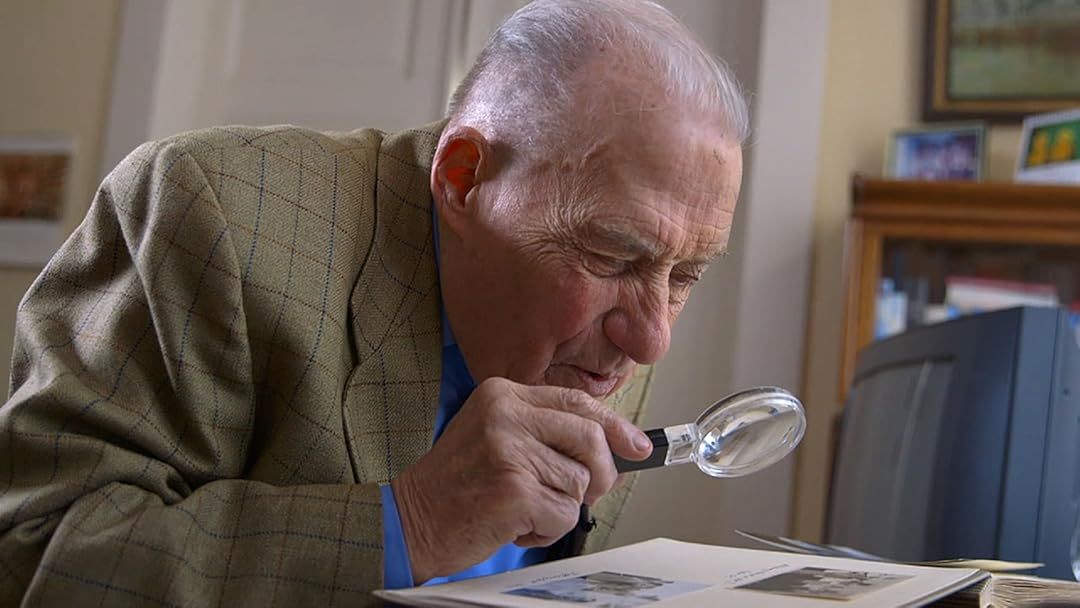
Rabbi William Wolff does not try to persuade anyone of anything.
Near 90, Wolff travels between Britain and small Jewish communities in eastern Germany, leading services, conducting funerals, teaching. Director Britta Wauer follows him closely, resisting the urge to frame him as either symbol or solution.
The film avoids the usual territory of religious documentaries - no conversion narratives, no theological debates, no spiritual crisis. Instead, Wauer observes how faith operates as daily conduct. Wolff dislikes grand statements, rejects authority's trappings, and insists that humour matters as much as scripture. For him, faith is presence - turning up, paying attention, doing the work even when the outcome is uncertain.
Why watch
- A rare film about religion without argument or spectacle
- Awarded at major German festivals for its restraint and warmth
Looking for Zion
What a grandfather’s photographs still don’t explain
Tamara Erde set out to understand her grandfather's photographs and ended up questioning the idea behind them.
Her grandfather was a committed Zionist who documented Jewish life across Europe in the 1930s - images meant to capture a people and imagine their future. Decades later, Erde returns to those images, tracing where they were taken and what vision they were meant to serve. The photographs do not resolve anything. They complicate it.
Moving between Israel and Europe, Erde treats the archive as evidence requiring scrutiny. She speaks with historians, family members, and people living in the places her grandfather photographed. The film refuses easy answers about identity, belonging, or historical memory, examining instead how political ideals pass through families, and what happens when one generation's hopes collide with another's reality.
Why watch
- Engages seriously with Zionism's complexities without reducing them to talking points
- Screened widely at Jewish and Israeli film festivals in Europe and the US
For press inquiries, screeners, or interviews, contact andreas@iwonder.com.